Artists Who Master the Magic of Anthropomorphism
 Elizabeth Beecher
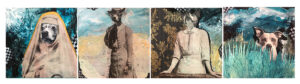
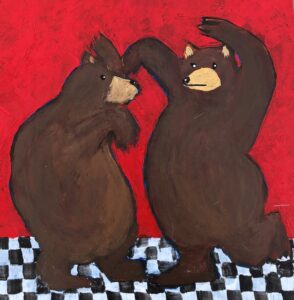
Anthropomorphism—the attribution of human characteristics to non-human beings—has long been a rich and whimsical thread in the world of art. Whether it's a fox in a waistcoat or a rabbit deep in thought, there's something deeply charming about imagining animals as little people with big personalities.
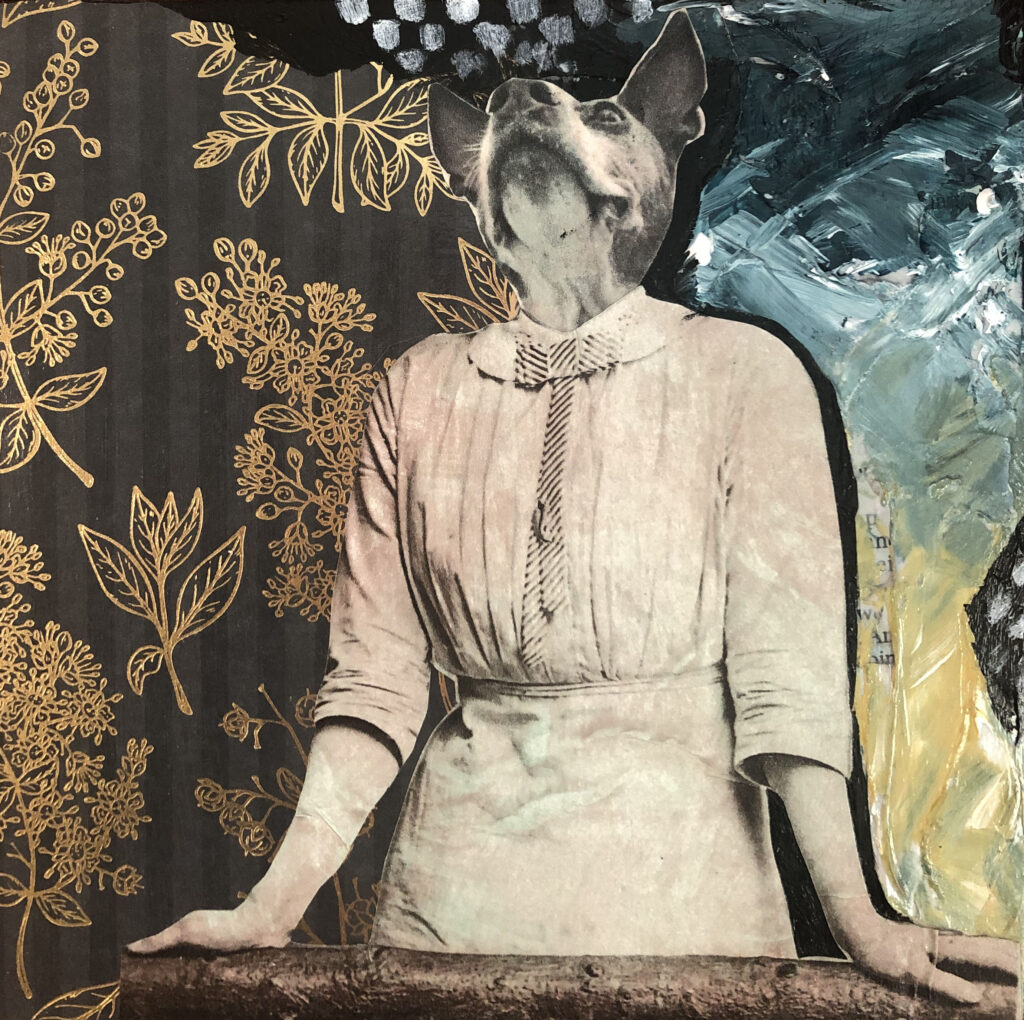
Anthropomorphism in dogs, cats, birds, and every creature in between allows artists to bridge fantasy with familiarity. These characters speak without words, reflect our emotions in unexpected ways, and often reveal more about us than them.
As an artist who regularly paints animals in all their quirky, human like glory, I’m constantly inspired by others who work in this imaginative tradition. Below is a curated collection of artists—past and present—who master the magic of anthropomorphism with grace, humor, and style.
1. Beatrix Potter
Famous for: Peter Rabbit, Jemima Puddle-Duck, Squirrel Nutkin
Era: 19th–20th Century
Beatrix Potter is perhaps the first name many think of when it comes to anthropomorphic animals. Her characters are fully formed citizens of a gentle English countryside—wearing bonnets, fretting over lost mittens, and engaging in low-stakes domestic dramas that are somehow deeply relatable.
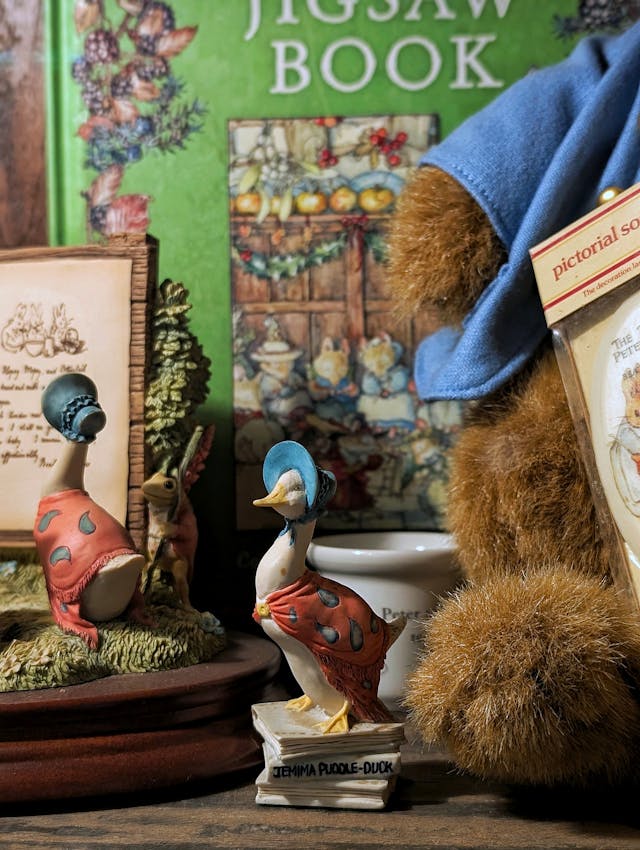
If her characters could speak?
"I do hope no one notices the jam stain on my apron before tea."
What makes her work stand out is the sincerity and tenderness behind each animal. Despite their clothes and habits, they still feel very much like animals—curious, cautious, and charmingly flawed.
2. Sir Edwin Henry Landseer
Famous for: Noble, humanlike depictions of dogs and wildlife
Era: 19th Century
Landseer was a master of subtle anthropomorphism. His portraits of dogs in mourning, or animals posed with almost regal dignity, are emotionally charged without ever being cartoonish.
If his dogs could speak?
"I shall guard your slippers until your return. Always."
He brought gravitas to anthropomorphism in dogs, capturing not just the likeness but the implied inner life of his subjects. Many of his works feel like odes to loyalty, loss, and love.
Famous for: Blue Dog series
Era: 20th Century
Rodrigue’s surreal, soulful Blue Dog became an icon of pop art. The dog appears in countless settings—seated at poker tables, floating in eerie landscapes, always staring into the viewer with wide, humanlike eyes.
If Blue Dog could speak?
"I know what you’re thinking. And I probably agree."
Rodrigue’s use of repetition and minimalism elevates the Blue Dog from quirky mascot to cultural symbol. It's a prime example of how non-human forms can express very human emotions—melancholy, mystery, even humor—with just a tilt of the head.
4. Jill Barklem
Famous for: Brambly Hedge series
Era: 20th Century
Barklem’s miniature world of mice, moles, and hedgehogs living in tree-trunk homes is as detailed as it is delightful. Her creatures dress in seasonal attire, host community feasts, and worry about things like jam storage and rainfall.
If a Brambly Hedge character could speak?
"The weather looks fair for blackberry picking—pack your smallest basket!"
Barklem's magic lies in her gentle world-building. The human characteristics she gives her animals—kindness, anxiety, celebration—mirror small-town life, and they resonate deeply with readers of all ages.
Famous for: Busytown and his numerous illustrated children’s books
Era: 20th Century
Scarry filled entire cities with anthropomorphic animals who worked, played, and explored like any human would. His dogs, pigs, cats, and worms (yes, worms in bowler hats!) are busy citizens going about their day with endless enthusiasm.
If a Scarry character could speak?
"Let’s build a pickle factory on wheels—just in case!"
His playful chaos celebrates productivity, creativity, and community. Scarry’s genius was in taking everyday activities and elevating them through the lens of funny, non-human characters doing deeply human things.
6. Elizabeth Beecher (Yes, Me!)
Famous for: Custom pet portraits and whimsical animal art
Era: Right now
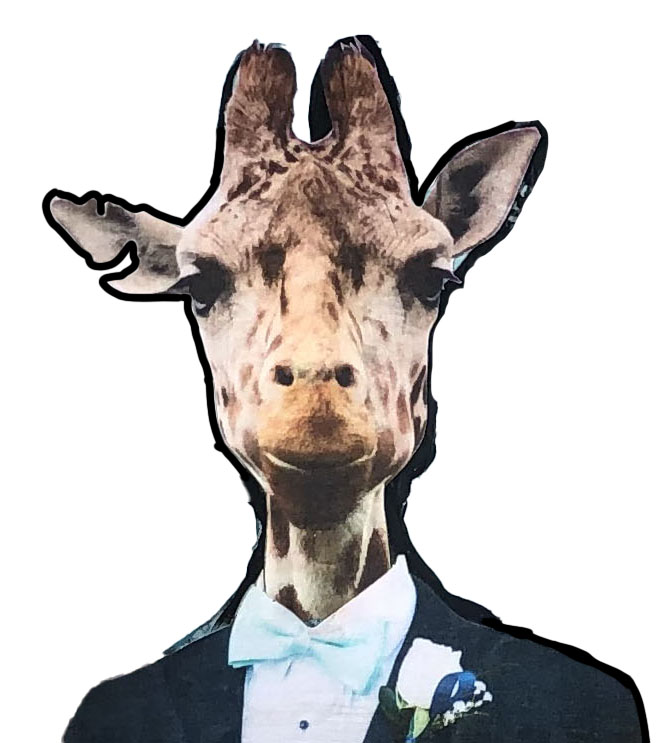
My own work lives at the intersection of animal charm and human storytelling. Whether it’s a giraffe who’s on his way to work or a house cat going to the convent, my goal is to spark joy and curiosity in the viewer.
If one of my characters could speak?
"Kindly pass the lemon curd—I’m late for my lecture on cloud shapes."
Anthropomorphism in dogs, cats, and other beloved animals allows me to reimagine them not just as pets, but as characters with hobbies, moods, and tiny backstories. It’s my way of saying that animals—just like people—are full of surprises.
Why Anthropomorphism Endures
From the earliest cave paintings to digital illustrations on Instagram, anthropomorphism remains a powerful creative tool. It invites us to imagine: what if animals could talk, feel, dream, or organize book clubs? What would they say? What would they care about?
More than that, these works help us better understand ourselves. The human characteristics we give to non-human creatures reflect our own hopes, fears, and absurdities. They remind us that a little empathy (and a good costume) can go a long way.
Whether you're a lifelong fan of funny pet paintings or just discovering the wonder of animals in aprons, I hope these artists inspire you to see the animal world not just as it is—but as it might be, if it borrowed a pair of shoes and had something clever to say.
Want to explore more anthropomorphic art?
Check out my custom anthropomorphic pet portraits and see how your favorite animal might look with a monocle—or without one!