When Animals Wear Waistcoats: Why We're Drawn to Anthropomorphic Art
 Elizabeth Beecher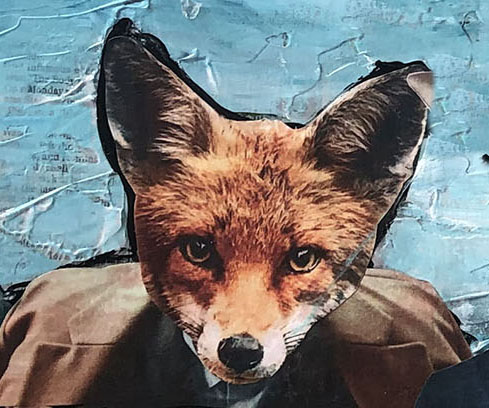
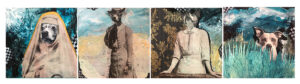
I find something irresistibly charming about a fox in an overcoat or a rabbit sipping tea from a porcelain cup. Anthropomorphic art—art that gives animals human traits—has enchanted people, like me for centuries. But why? What about clothed creatures and polite raccoons that make me smile and maybe even feel a bit understood?
Anthropomorphism is nothing new. It dates back to ancient cave paintings and myths—think Anubis, the jackal-headed god of the afterlife, or Aesop’s fables, where clever foxes and moralizing turtles taught us right from wrong. But in visual art, there’s a unique kind of whimsy that emerges when an animal not only thinks or talks like us—but also dresses like us.
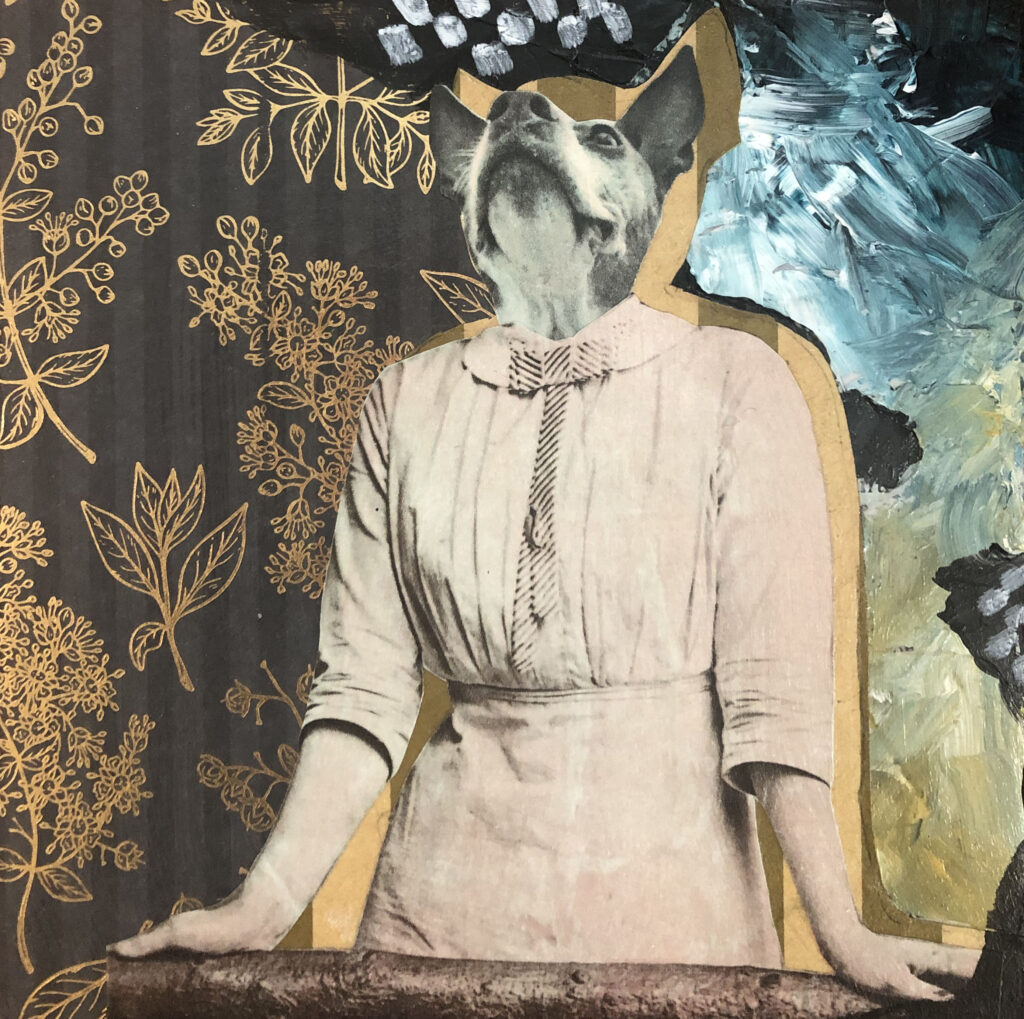
There’s a softness, a gentleness, in imagining animals navigating the world with human routines. A badger who runs a bookshop. A squirrel who knits scarves for the winter. These imagined lives, though fantastical, feel familiar. They reflect back to us small, cozy rituals of kindness, perseverance, and quiet joy.
But there’s also psychology at play. Studies suggest that anthropomorphism taps into our need for connection and empathy. When we see non-human figures behaving like us—especially animals with expressive eyes and buttoned-up coats—we can’t help but project our own stories, emotions, and longings onto them. It blurs the line between imagination and identity.
Artists have long used these tactics to great effect. Beatrix Potter’s illustrated tales didn’t just entertain; they gently guided children through moral lessons and everyday dilemmas. More recently, artists like Richard Scarry and Wes Anderson have embraced animal characters to explore complex, very human stories—grief, belonging, love, rebellion—with a layer of whimsical distance. It’s as if the art invites us to lower our defenses. After all, it’s just a hedgehog in a hat. What could be threatening about that?
Personally, I find anthropomorphic art deeply comforting. In a world that often feels sharp and fast, there’s a softness in imagining a raccoon who bakes pies or a moose who paints landscapes at sunset. These creatures live in a world that runs on slow rhythms, unspoken kindness, and hand-knit mittens. They’re not just characters; they’re the guardians of gentler ways.
And maybe, just maybe, that’s why we keep returning to them.
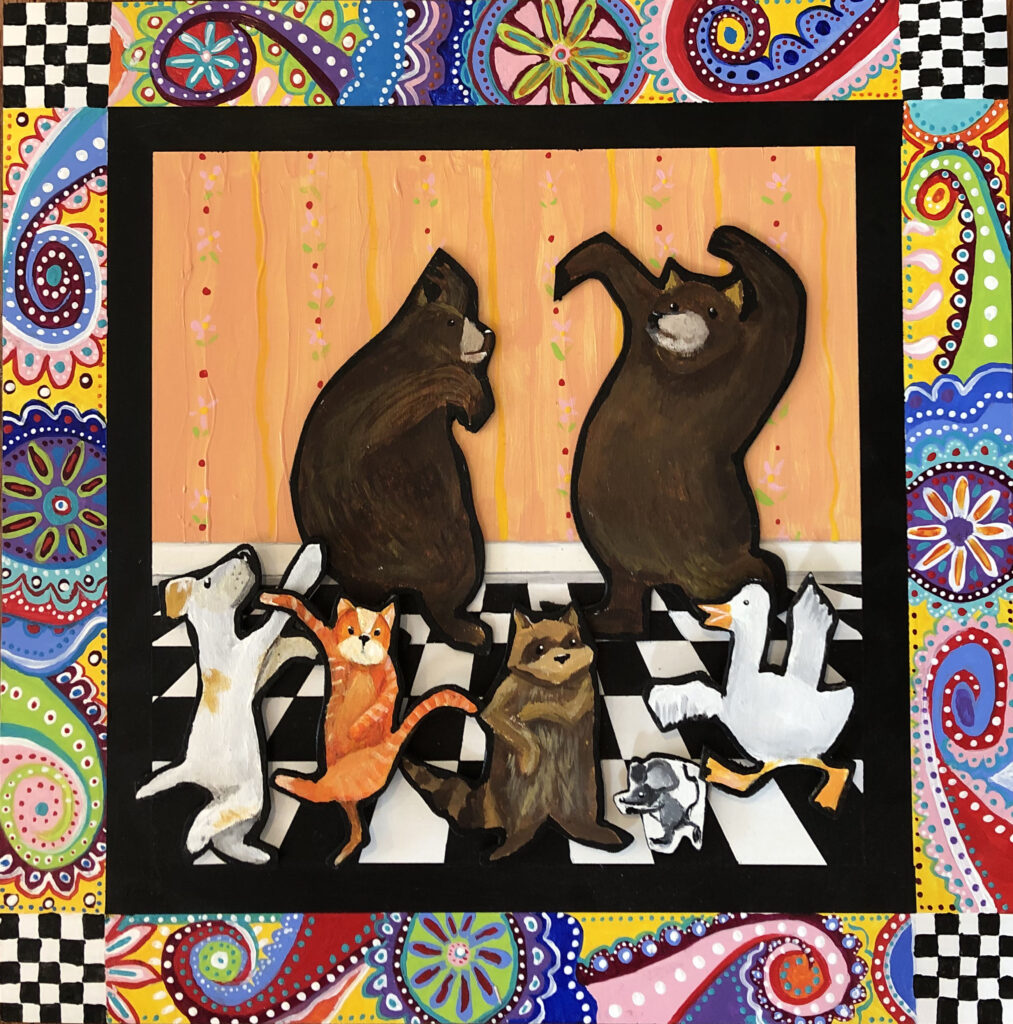
So the next time you see a bear in a bow tie, or a mouse carrying a briefcase, pause and let your imagination wander. What’s his name? Where is she going? What stories do they carry in their pockets?
In anthropomorphic art, the animals may walk on two legs, but they lead us somewhere entirely magical.